A freezer warehouse, fundamentally, is a large-scale
facility dedicated to the storage of goods at temperatures below 0°C. This type
of warehouse is essential for preserving the quality of temperature-sensitive
products, particularly in the food, healthcare, and pharmaceutical industries.
The overarching concept is similar to the smaller freezer rooms found in
grocery stores or restaurants, but the scale and complexity of a freezer
warehouse are significantly greater.
In the context of an increasingly digital and automated
supply chain, often referred to as Logistics 4.0, freezer warehouses are at the
forefront of adapting to and integrating these advancements. The challenges
inherent in managing such facilities are multifaceted. Firstly, optimizing
warehouse space is crucial. This involves designing storage systems that
maximize vertical space while ensuring efficient access and circulation paths
for both products and personnel. Innovative racking solutions and automated storage
and retrieval systems (ASRS) are often employed to achieve this.
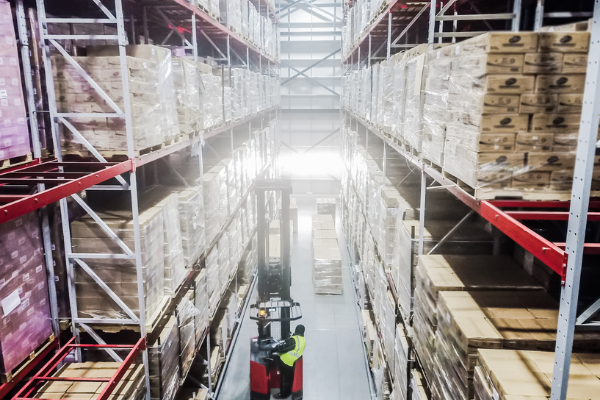
Frozen storage
warehouses and cold storage warehouses, though similar in their fundamental
purpose of preserving perishable goods, differ significantly in their
operational specifics, infrastructure, and the nature of the products they
store.
·
Purpose: Designed to store products, predominantly food
items, at temperatures well below freezing point, typically below 0°C (32°F).
This ensures long-term preservation by arresting bacterial growth and enzymatic
activity.
·
Infrastructure: The construction of these warehouses includes
advanced insulation, especially in flooring, to prevent ground heath from
melting the frozen goods and to avoid condensation issues. The insulation is
robust to maintain consistently low temperatures.
·
Temperature
Management: Utilizes
heavy-duty refrigeration systems with powerful compressors, evaporators,
condensers, and expansion valves, capable of achieving and maintaining sub-zero
temperatures.
·
Management: Requires specialized knowledge not just in
maintaining ultra-low temperatures but also in understanding the freezing
requirements of different products. Managers must be adept at planning and
anticipating challenges related to long-term storage.
·
Product
Suitability: Ideal for goods
that require long-term preservation without spoilage, such as frozen meats,
seafood, certain dairy products, and some prepared foods.
·
Purpose: Aimed at keeping products, mainly food items,
fresh for a shorter duration by storing them at temperatures above freezing but
below room temperature. The objective is to slow down the spoilage process
while maintaining the freshness and quality of the products.
·
Infrastructure: While also built from sandwich panels for
insulation, the focus is less on extreme temperature maintenance and more on
consistent, cool conditions. The flooring doesn’t require the same level of
insulation as in frozen storage.
·
Temperature
Management: Equipped with
refrigeration systems designed to maintain temperatures typically between 1°C
and 10°C (33.8°F to 50°F), depending on the product.
·
Management: Requires knowledge of optimal storage
conditions for a variety of products and quick responsiveness to changes in
temperature and humidity. Managers must understand the dynamics of perishable
goods with shorter shelf lives.
·
Product
Suitability: Suitable for a
wide range of perishable products like fruits, vegetables, some dairy products,
flowers, and pharmaceuticals.
The choice between
frozen storage and cold storage warehouses hinges on the specific storage
requirements of the products in question. Frozen storage is key for long-term
preservation at sub-zero temperatures, while cold storage is geared towards
shorter-term preservation at temperatures above freezing. Both types of
warehouses demand specialized infrastructure and management, but the intensity
of refrigeration and insulation differs, reflecting their distinct operational
purposes.
|
Food |
Type |
Refrigerator [40°F
(4°C) or below] |
Freezer [0°F (-18°C)
or below] |
|
Salad |
Egg, chicken, ham, tuna, and macaroni salads |
3 to 4 days |
Does not freeze well |
|
Hot dogs |
Opened package |
1 week |
1 to 2 months |
|
Unopened package |
2 weeks |
1 to 2 months |
|
|
Luncheon meat |
Opened package or deli sliced |
3 to 5 days |
1 to 2 months |
|
Unopened package |
2 weeks |
1 to 2 months |
|
|
Bacon and sausage |
Bacon |
1 week |
1 month |
|
Sausage, raw, from chicken, turkey, pork, or beef |
1 to 2 days |
1 to 2 months |
|
|
Sausage, fully cooked, from chicken, turkey, pork, or beef |
1 week |
1 to 2 months |
|
|
Sausage, purchased frozen |
After cooking, 3-4 days |
1-2 months from date of purchase |
|
|
Hamburger, ground meats and ground poultry |
Hamburger, ground beef, turkey, chicken, other poultry, veal, pork, lamb,
and mixtures of them |
1 to 2 days |
3 to 4 months |
|
Fresh beef, veal, lamb, and pork |
Steaks |
3 to 5 days |
4 to 12 months |
|
Chops |
3 to 5 days |
4 to 12 months |
|
|
Roasts |
3 to 5 days |
4 to 12 months |
|
|
Fresh, uncured, uncooked |
3 to 5 days |
6 months |
|
|
Fresh, uncured, cooked |
3 to 4 days |
3 to 4 months |
|
|
Cured, cook-before-eating, uncooked |
5 to 7 days or “use by” date |
3 to 4 months |
|
|
Fully-cooked, vacuum-sealed at plant, unopened |
2 weeks or “use by” date |
1 to 2 months |
|
|
Cooked, store-wrapped, whole |
1 week |
1 to 2 months |
|
|
Cooked, store-wrapped, slices, half, or spiral cut |
3 to 5 days |
1 to 2 months |
|
|
Country ham, cooked |
1 week |
1 month |
|
|
Canned, labeled "Keep Refrigerated," unopened |
6 to 9 months |
Do not freeze |
|
|
Canned, shelf-stable, opened Note: An unopened, shelf-stable, canned ham can be stored at room temperature
for 2 years. |
3 to 4 days |
1 to 2 months |
|
|
Prosciutto, Parma or Serrano ham, dry Italian or Spanish type, cut |
2 to 3 months |
1 month |
|
|
Fresh poultry |
Chicken or turkey, whole |
1 to 2 days |
1 year |
|
Chicken or turkey, pieces |
1 to 2 days |
9 months |
|
|
Fin Fish |
Fatty Fish (bluefish, catfish, mackerel, mullet, salmon, tuna, etc.) |
1 - 3 Days |
2 - 3 Months |
|
Lean Fish (cod, flounder, haddock, halibut, sole, etc.) |
6 - 8 Months |
||
|
Lean Fish (pollock, ocean perch, rockfish, sea trout.) |
4 - 8 Months |
||
|
Shellfish |
Fresh Crab Meat |
2 - 4 Days |
2 - 4 Months |
|
Fresh Lobster |
2 - 4 Days |
2 - 4 Months |
|
|
Live Crab, Lobster |
1 day . |
Not recommended |
|
|
Live Clams, Mussels, Oysters, and Scallops |
5 - 10 Days |
Not recommended |
|
|
Shrimp, Crayfish |
3 - 5 Days |
6 - 18 Months |
|
|
Shucked Clams, Mussels, Oysters, and Scallops |
3 - 10 Days |
3 - 4 Months |
|
|
Squid |
1 - 3 Days |
6 - 18 Months |
|
|
Eggs |
Raw eggs in shell |
3 to 5 weeks |
Do not freeze in shell. Beat yolks and whites together, then freeze. |
|
Raw egg whites and yolks |
2 to 4 days |
12 months |
|
|
Raw egg accidentally frozen in shell |
Use immediately after thawing |
Keep frozen, then |
|
|
Hard-cooked eggs |
1 week |
Do not freeze |
|
|
Egg substitutes, liquid, unopened |
1 week |
Do not freeze |
|
|
Egg substitutes, liquid, opened |
3 days |
Do not freeze |
|
|
Egg substitutes, frozen, unopened |
After thawing, 1 week or refer to “use by” date |
12 months |
|
|
Egg substitutes, frozen, opened |
After thawing, 3 to 4 days or refer to “use by” date |
Do not freeze |
|
|
Casseroles with eggs |
After baking, 3 to 4 days |
After baking, 2 to 3 months |
|
|
Eggnog, commercial |
3 to 5 days |
6 months |
|
|
Eggnog, homemade |
2 to 4 days |
Do not freeze |
|
|
Pies: Pumpkin or pecan |
After baking, 3 to 4 days |
After baking, 1 to 2 months |
|
|
Pies: Custard and chiffon |
After baking, 3 to 4 days |
Do not freeze |
|
|
Quiche with filling |
After baking, 3 to 5 days |
After baking, 2 to 3 months |
|
|
Soups and stews |
Vegetable or meat added |
3 to 4 days |
2 to 3 months |
|
Leftovers |
Cooked meat or poultry |
3 to 4 days |
2 to 6 months |
|
Chicken nuggets or patties |
3 to 4 days |
1 to 3 months |
|
|
Pizza |
3 to 4 days |
1 to 2 months |
Here are some key points to consider about frozen food
temperature storage:
1.
Consistency is Key: The temperature should be
consistently maintained at or below 0°F. Fluctuations in temperature can cause
the food to undergo freeze-thaw cycles, which can degrade the quality and
texture of the food, and potentially allow for the growth of harmful pathogens.
2.
Rapid Freezing: When freezing fresh food, it's
important to freeze it rapidly. Slow freezing leads to the formation of large
ice crystals, which can damage the cellular structure of the food, leading to
quality deterioration when the food is thawed.
3.
Packaging: Proper packaging is essential in
frozen food storage. It should protect the food from air and moisture, prevent
freezer burn, and be resistant to low temperatures to maintain the quality of
the food.
4.
Avoiding Contamination: Keep raw and cooked
foods separate to prevent cross-contamination. This is especially important in
a commercial setting where large quantities of food are stored.
5.
Regular Monitoring: Regularly check the
temperature of the freezer using a thermometer to ensure it stays at the
correct freezing point.
6.
Energy Efficiency: Modern freezers are more
energy-efficient and better at maintaining a consistent temperature. It’s
advisable to use newer models for long-term storage of frozen foods.
7.
Safe Thawing Practices: When thawing frozen
food, it should be done in the refrigerator, in cold water, or in the
microwave, rather than at room temperature, to minimize the risk of bacterial
growth.
8.
Shelf Life Considerations: While freezing
significantly prolongs the shelf life of food, it doesn't mean that the food
will remain at peak quality indefinitely. Different types of food have varying
optimal storage durations in the freezer.
9.
Commercial Standards: In commercial settings,
such as frozen food warehouses, additional considerations include large-scale
refrigeration systems, inventory rotation practices (such as FIFO - First In
First Out), and strict adherence to food safety regulations.
Setting up a frozen storage facility with TamCold,
efficient, and meets industry standards. While specific practices may vary
depending on the provider and the client's requirements, a general setup
process typically includes the following stages:
·
Initial Consultation and Requirement
Analysis: The process starts with understanding the client's specific
needs, including the types of products to be stored, the volume of products,
desired storage duration, and any specific temperature and humidity requirements.
This stage is crucial for customizing the storage solution to fit the client's
unique requirements.
·
Site Selection and Assessment:
Choosing the right location for the frozen storage facility is crucial. Factors
such as accessibility, proximity to supply and distribution channels, and
environmental conditions are assessed. The site's infrastructure, including
existing buildings, power supply, and other utilities, is also evaluated.
·
Design and Engineering: Based on
the requirements and site assessment, a detailed design plan is developed. This
includes the layout of the storage facility, the type of insulation needed, the
refrigeration system design, and the integration of any specialized equipment
like automated storage and retrieval systems (ASRS). The design phase also
encompasses safety considerations, energy efficiency, and compliance with
relevant standards and regulations.
·
Procurement of Materials and Equipment:
This involves sourcing and acquiring all necessary materials and equipment,
such as insulated panels, refrigeration units, shelving, and monitoring
systems. The quality and specifications of these components are critical to the
efficiency and effectiveness of the frozen storage facility.
·
Installation and Construction: The
physical setup of the facility involves constructing the building or adapting
existing structures, installing insulation, setting up the refrigeration
system, and configuring the internal layout for optimal storage and
accessibility. This phase requires skilled labor and adherence to technical
guidelines.
·
System Testing and Calibration:
Once the installation is complete, the entire system is tested to ensure it
operates correctly and maintains the required temperatures consistently. This
phase may include calibrating temperature and humidity controls, testing the
refrigeration units, and ensuring that the insulation is effective.
·
Staff Training and Operational Setup:
Training for staff who will operate and manage the facility is crucial. This
includes training on safety procedures, operation of the refrigeration system,
inventory management, and emergency protocols.
·
Maintenance and Monitoring Systems:
Implementing a regular maintenance schedule for the refrigeration units and
other critical components of the storage facility is vital for uninterrupted
operation. Additionally, setting up monitoring systems to continuously track
temperature, humidity, and other environmental parameters ensures ongoing
compliance with storage requirements.
·
Compliance and Certification:
Ensuring the facility meets all local, national, and industry-specific
regulations and standards is crucial. This may involve obtaining certifications
or passing inspections related to food safety, building codes, and
environmental regulations.
·
Maintain
the correct temperature: Keep the freezer at 0°F (-18°C) or below.
·
Pack foods
tightly: To reduce air exposure and prevent freezer burn.
·
Label and
date: Clearly mark contents and freezing date to track shelf life.
·
Avoid
refreezing: Refreezing can affect quality and safety.
Store frozen food in
airtight containers or freezer bags to minimize exposure to air and moisture.
Organize the freezer to allow air circulation and maintain an even temperature
throughout.
We store food in a
frozen state to preserve its freshness, nutritional value, and taste over a
longer period. Freezing also helps in reducing food waste by extending the
edible life of perishable items.
The best way to store
frozen meals is in airtight, moisture-proof containers or wraps. Portion meals
for easy thawing and reheating. Keep an inventory to use older items first and
ensure the freezer is not overloaded for optimal air circulation.
 is the export brand of